




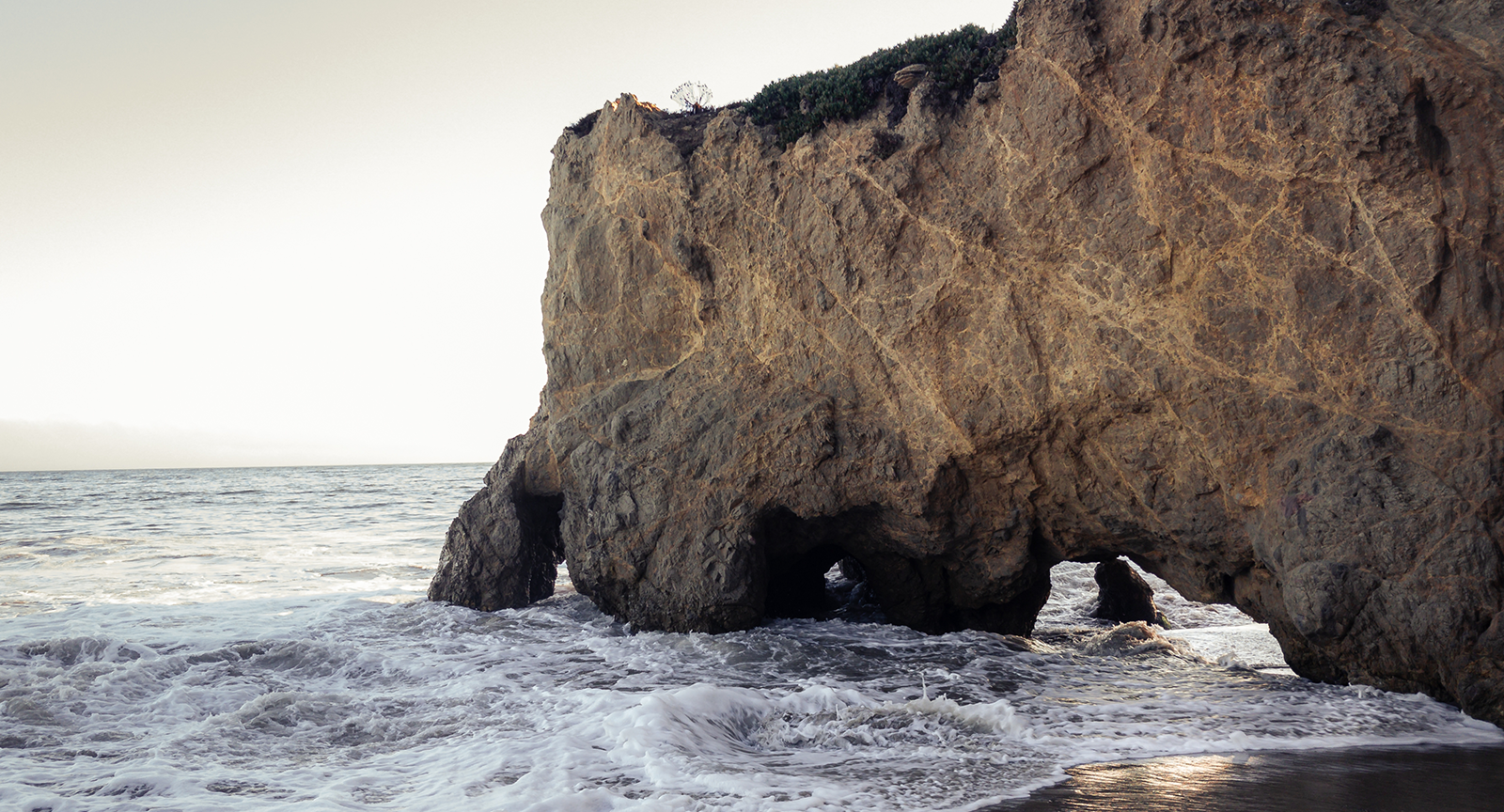
A Visitor’s Guide to Malibu Tide Pools
- Malibu tide pools, formed by the receding ocean at low tide, are favorite “hidden” and educational attractions.
- Even tough tide pools are at the same beaches populated by surfers and sunbathers, there are a few extra precautions to take.
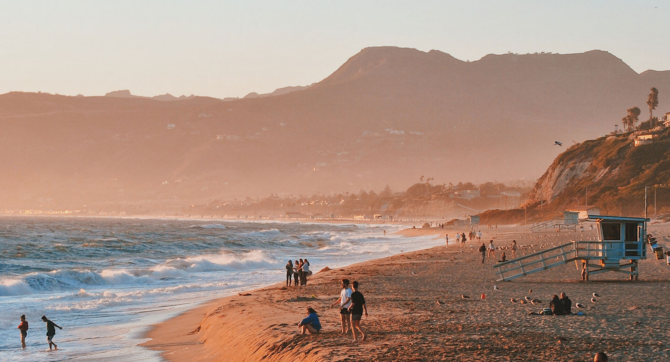
- Explore Malibu beaches like Leo Carrillo, Point Dume, and even lesser-known Lechuza Beach both to understand the ocean a little better and to see the beach like a local.
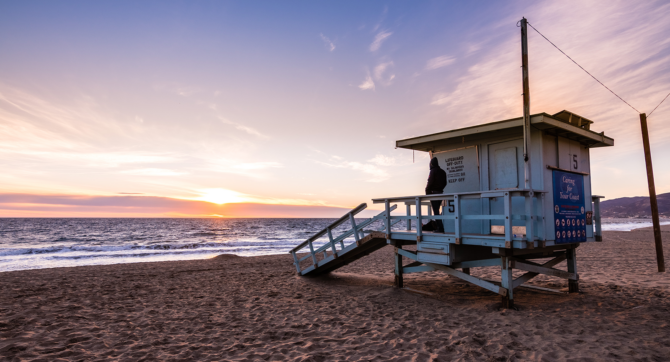
When you think of Malibu beaches, what do you imagine? For most, it’s the breaking surf or the golden sand.
But what if, for a moment, we thought about anemones? About tiny crabs? About the vast ecosystem of the ocean, distilled into a small pool of leftover tide?
Malibu tide pools draw visitors along the shoreline, inviting discovery up and down the coast. As microcosms of the larger ocean, they make great educational tools for younger family members. Visible only at low tide, these “hidden attractions” reward curious visitors willing to wander. And as important parts of the shore’s ecosystem, they make for indispensable parts of beach life in Malibu. Want to start searching out Malibu tide pools? Here’s what to know.
What are Tide Pools?
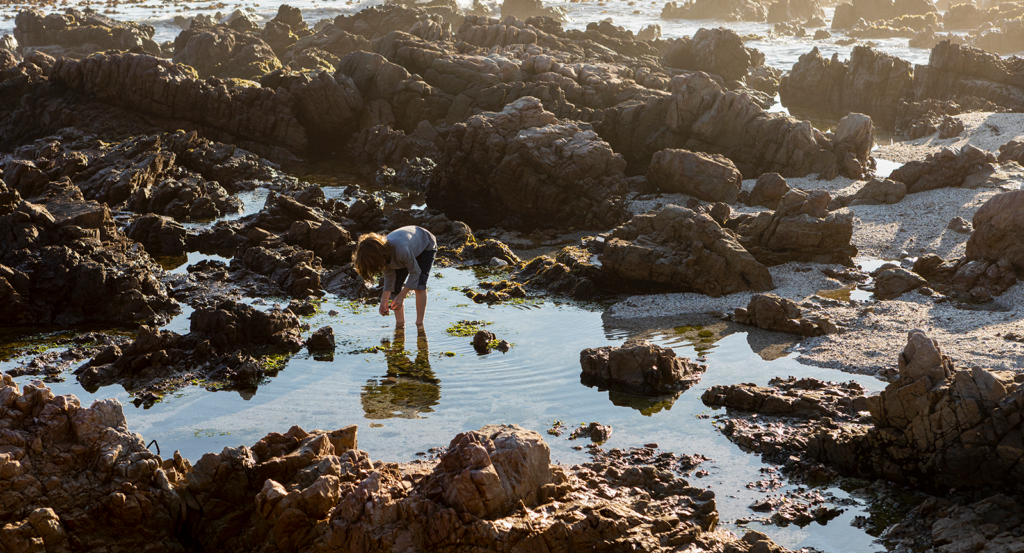
Tide pools are the small bodies of water left behind after ocean waves have receded from the shore. Natural indentations in the shore and barrier formations (think lines of rocks or tree roots) hold water in place, and when the ocean moves toward low tide, the water surrounding a tide pool goes back out to sea, leaving behind a small pool – anything from a puddle to a swimmable pond.
Because these pools essentially mirror the composition of the water, there’s a fascinating array of ocean life left behind, as well. Sea anemones, crabs, and even some small fish call Malibu tide pools home, turning these natural aquariums into captivating places to observe marine life up close.
How and When to Go to Tide Pools
Try to time your visit around one of the day’s two low tide periods, as that’s when the individual pools are the most visible. Most of these Malibu tide pools are on established beaches meaning that parking and arrival is no different than any other day at the shore. The most dramatic low tides often happen overnight after beach facilities have closed, though daytime conditions still provide excellent opportunities for tide pool exploration.
How to Prepare
Getting ready for the tide pools is very similar to preparing for a day at the beach, but with a little less gear. Make sure you’ve got the essentials, like sunscreen and water, and it’s always a good idea to bring snacks. Also, if you’re going from the pools to somewhere else – shopping in Malibu, for instance, or one of the area’s art exhibits – then a change of clothes may be in order.
Staying Safe
Being in nature can engender a tremendous sense of calm – it’s one of our favorite reasons to take a long walk along the beach – but there also needs to be an awareness of your surroundings. Wearing closed-toe shoes, rather than going barefoot or slipping into sandals, will protect your feet from sharp shells or various pinching creatures.
Respect the delicate balance of the tide pools by observing marine life without disturbing it and leaving rocks, shells, and habitats untouches, as even the underside of a single stone can support an entire ecosystem.
Our Favorite Malibu Tide Pools
Leo Carillo State Park: Located 15 miles west on the PCH from the Inn, Carillo is a consistent favorite for those seeking Malibu tide pools. That’s due in large part to the variety of pools found there: Whether it’s caves that clear out during low tide (and make for incredible photo moments) or smaller rock rings and sand depressions that are super-accessible for youngsters, Carillo has pools for everyone.
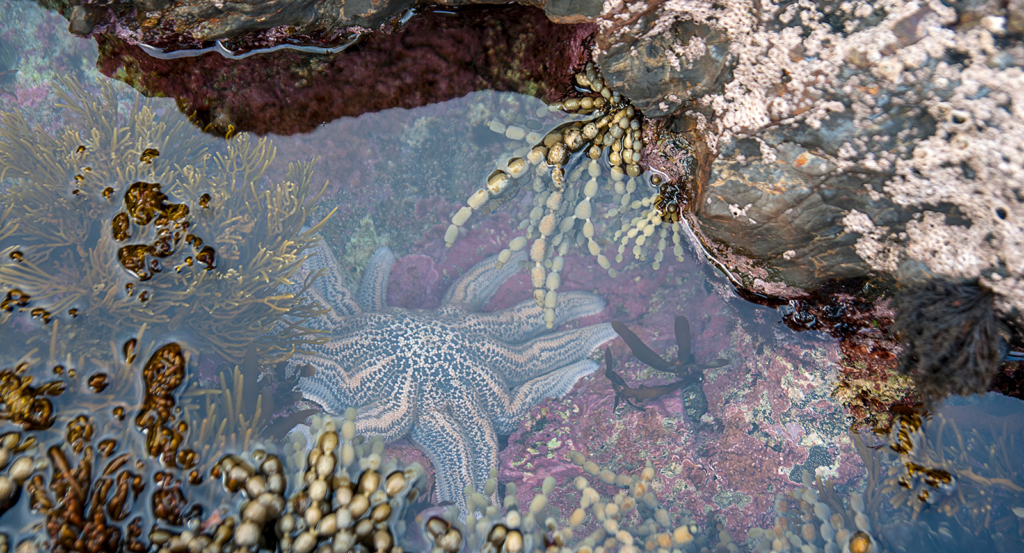
Point Dume: After spending time on the waves, wait for them to recede and find your way to these pools, about nine miles from the Inn. Head directly under the outlook, at the base of the cliff, and find sea stars along with several other coastal creatures. Bonus: Point Dume is a prime viewing spot for whales during their migrations, so you can see the ocean’s biggest and smallest forms of life from one spot.
Lechuza Beach: Purchased by the California’s Mountains Recreation and Conservation Authority in 2002, this slice of the coastline 12 miles to the Inn’s west is still lesser known compared to its big-name siblings. But the pools, found at the base of a set of sandstone cliffs, are stunning all the same and often less crowded.
It’s a testament to nature’s wonder that such small pools of water, the literal leftovers of waves, can both give us so much fun and teach us so much about oceanic life at one time. When considering all the ways that you can spend quality time with the ocean while staying at Malibu Beach Inn, think about adding tide pools to the itinerary.
Written by: Robert Spuhler
Edited by: Brenna Darling de Cruz